Introduction
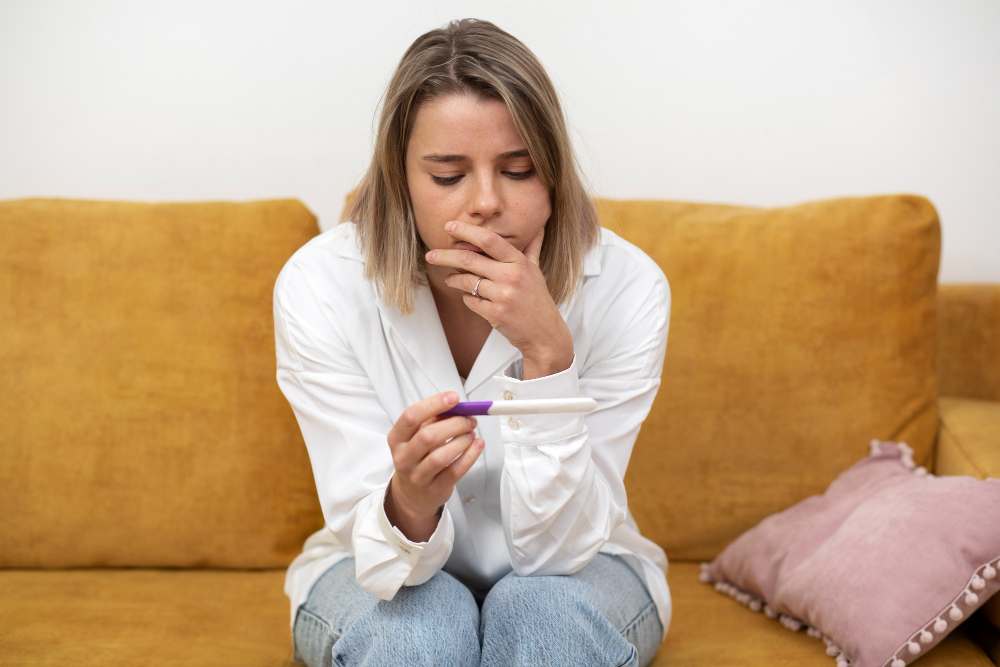
Homeopathy for female infertility is a topic many women explore when facing trouble conceiving. Female infertility means a woman has difficulty becoming pregnant after trying for a year or more. For some, this journey can be stressful. Because of this, many look for natural remedies for female infertility. Homeopathy is one such holistic infertility solution. It uses gentle, natural substances to support the body’s healing. In this blog, we will explain symptoms, causes, diagnosis, and homeopathic treatment options for infertility in women.
What is Female Infertility?
Female infertility is when a woman cannot get pregnant after one year of regular, unprotected sex. Sometimes, women may also have trouble staying pregnant. According to the World Health Organization (WHO), infertility affects millions of couples worldwide. While some causes are easy to treat, others may need more support. Understanding the basics can help women seek the right care early.
Common Symptoms and Causes of Female Infertility
Often, infertility does not show clear signs. However, some women may notice:
There are many causes of female infertility. For example, problems with ovulation are common. Other causes include:
Because many factors can play a role, it is important to look at the whole picture.
How is Female Infertility Diagnosed?
Doctors use several steps to diagnose female infertility. First, they ask about your health history and menstrual cycles. Next, they may do a physical exam. Often, tests include:
Sometimes, more tests are needed. Early diagnosis helps find the best treatment. The Centers for Disease Control and Prevention (CDC) recommends seeing a doctor if you have concerns.
Homeopathy for Female Infertility: Principles and Approach
Homeopathy is a natural system of medicine. It uses tiny doses of natural substances to help the body heal itself. In homeopathy, treatment is tailored to each person. This means the doctor looks at your symptoms, emotions, and overall health. Because of this, homeopathy is seen as a holistic infertility solution. Many women choose homeopathic treatment for infertility in women because it is gentle and non-invasive. However, it is important to work with a qualified homeopath.
Common Homeopathic Remedies for Female Infertility
Homeopaths may suggest different remedies based on your unique symptoms. Some well-known homeopathic remedies for female infertility include:
However, these remedies are not one-size-fits-all. For best results, a homeopath will choose a remedy based on your full health picture. Avoid self-prescribing, as this may not address your needs.
Benefits and Limitations of Homeopathic Treatment
Homeopathy offers several benefits for women with infertility. For instance, it is gentle and usually has few side effects. It also looks at both physical and emotional health. Some women feel more balanced and less stressed during treatment. However, homeopathy has limitations. Scientific evidence on its effectiveness for infertility is limited. It may not work for all causes, especially when surgery or advanced care is needed. Therefore, it is best used as part of a broader care plan. Always talk to your doctor before starting any new treatment.
Lifestyle Tips and Prevention Strategies
Along with homeopathic remedies, healthy habits can support fertility. Here are some tips:
Because prevention is important, regular check-ups can help spot problems early. If you are looking for holistic infertility solutions, many homeopathy clinics in major cities offer support and guidance.
When to Consult a Healthcare Professional
If you have trouble getting pregnant after one year of trying, see a healthcare provider. Women over 35 should seek help after six months. Also, if you have irregular periods, pain, or other symptoms, do not wait. Early care can improve your chances of success. While homeopathy for female infertility may help some women, it is important to get a full medical check-up. This ensures you receive the best care for your needs.
For personalized advice on female infertility, consult a qualified homeopathic specialist or healthcare provider. They can guide you toward the best treatment options for your situation.